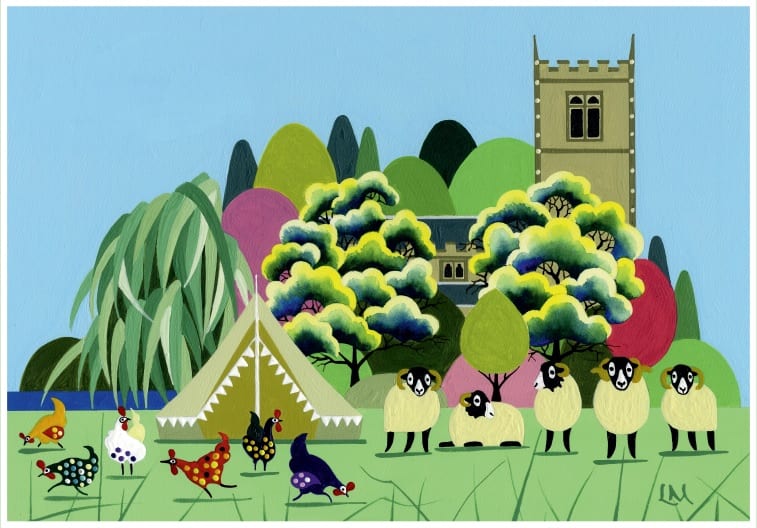
Danby Wiske History
History
The area of Danby Wiske is steeped in history from the mention in the Domesday survey in 1086 and the Parish Church dating back to 1069.
The original medieval village was situated on the opposite side of the river (where Lazenby Hall is situated). Historic England has designated the site as a scheduled monument. It is thought that the old village was abandoned in the 14th century and relocated to where the village is now.
The very early history of Danby Wiske is thought to be shaped by the Celts and the Romans, followed by the Vikings, who gave Danby Wiske it’s name “the village of the Danes by the water”. Holme was Danish for “the island or dry ground in the marshes or water meadows”
In Norman times, it is thought this area was effected by “The harrying of the North” in which ‘the King laid waste with fire and sword’ between Durham and York. Howe Hill motte, between Yafforth and Danby Wiske, has an obvious Norman fortification, a low rounded elevation 50 ft high which in Norman times would have had a castle, but this is thought to have been demolished on the orders of King Henry II.
The Scottish Invasions followed and under the direction of Robert the Bruce, the northern counties of England were subject to “regular and systemic raids”, this area was attacked on at least two occasions. During the 1318 raid, the church at Northallerton was so badly damaged it had to be rebuilt. It is assumed that the Danby Wiske church suffered similarly at the same time as it is known to have been rebuilt and shows evidence of fire damage. The ‘saxon’ stone, which is believed to be from an 8th/9th century standing cross, is now displayed in the naive. The doorway and the naive remain from this original Norman rebuild.
In 1884, Danby Wiske was served by it’s own train station but later closed. Now the nearest train station is in Northallerton.
Alfred Wainwright first walked through Danby Wiske mapping his 190 mile coast to coast walk in 1972. The visitor book in the church maps the change in the visitor numbers and demographics since then. Now the village sees people from all over the world, staying and passing through, following in Wainwrights footsteps.

Walkers Bed and Breakfast
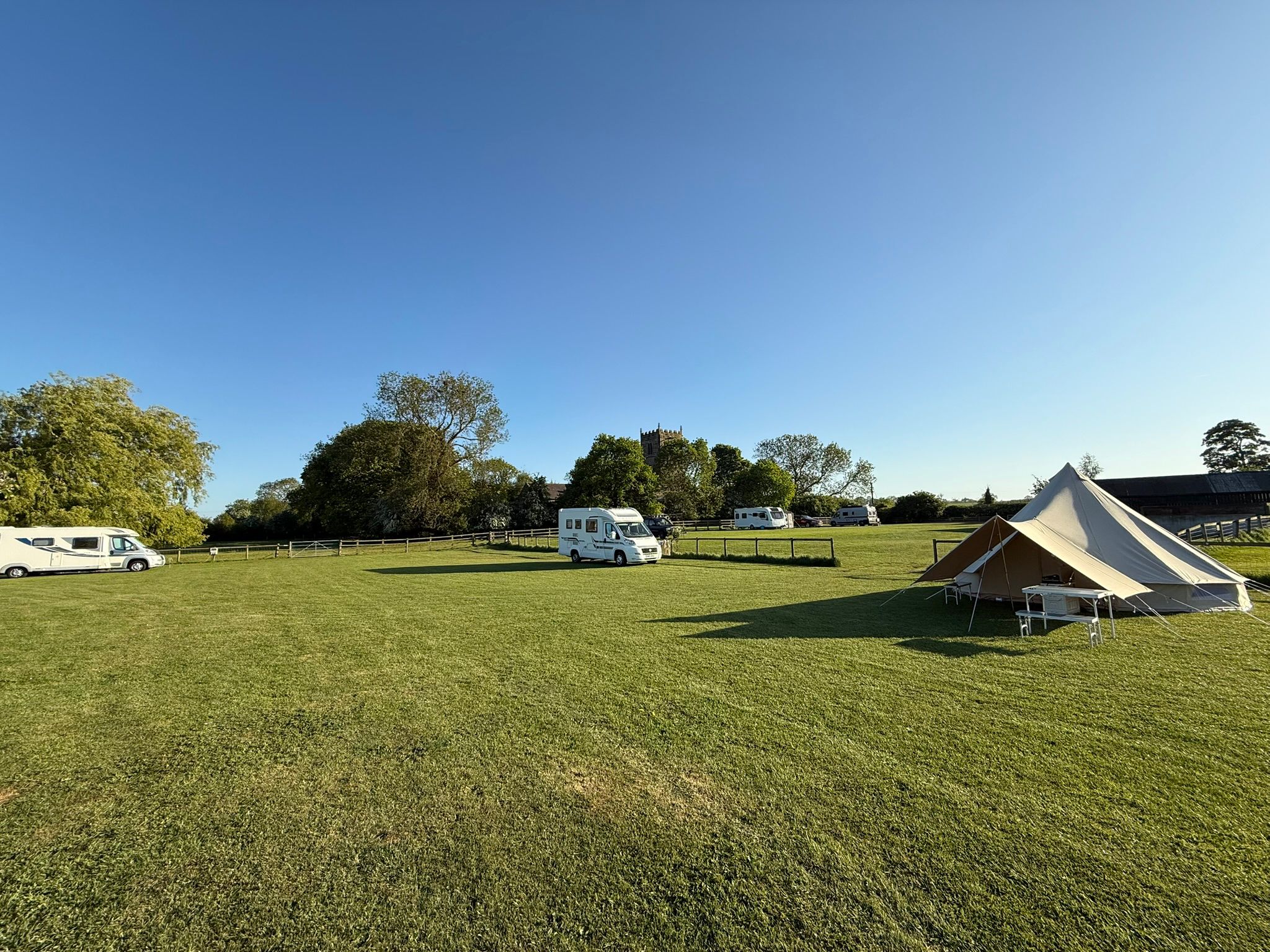
Camping and Caravanning
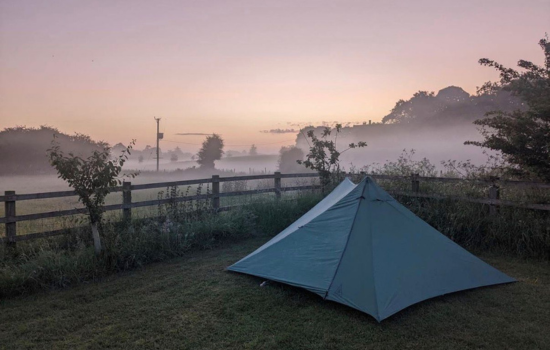
Coast to Coast